Uganda Self Drive Safari: Complete Travel Guide
Uganda Self-Drive Safari: Complete Travel Guide
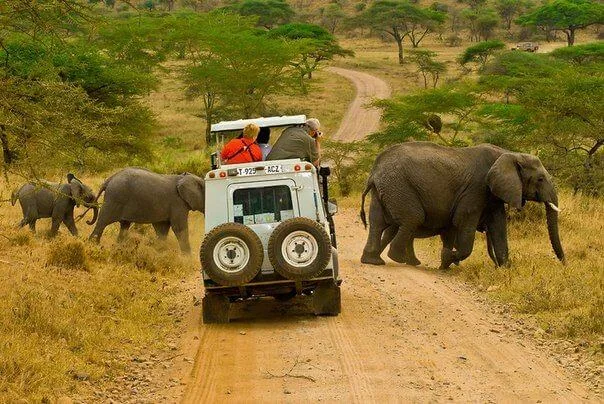
A Uganda self drive safari gives you the freedom to explore the country at your own pace.
Uganda offers wildlife, rainforests, mountains, lakes and scenic roads. Therefore, a self-drive trip can combine several different experiences in one journey.
You can drive from Kampala to national parks, stop at local towns and enjoy the scenery along the way.
However, good preparation matters.
You need the right vehicle, a practical route and a clear understanding of local road conditions.
What Is a Self Drive Safari?
A self drive safari allows you to rent a vehicle and explore Uganda without a hired driver.
You control your own schedule.
You can decide when to leave, where to stop and how long to spend at each destination.
This makes self drive attractive to independent travellers who want flexibility.
However, you should understand the roads and plan your journey carefully before starting.
Why Choose a Uganda Self Drive Safari?
Self drive travel offers several advantages.
Freedom
You can create your own itinerary.
You do not have to follow a fixed schedule. Instead, you can adjust your plans as you travel.
Privacy
You can enjoy your journey with your family, friends or travel partner without sharing the vehicle with other travellers.
Flexibility
You can stop for photographs, meals and sightseeing whenever you want.
Adventure
Driving between Uganda’s destinations becomes part of the experience.
You can explore places beyond the main tourist routes and discover more of the country.
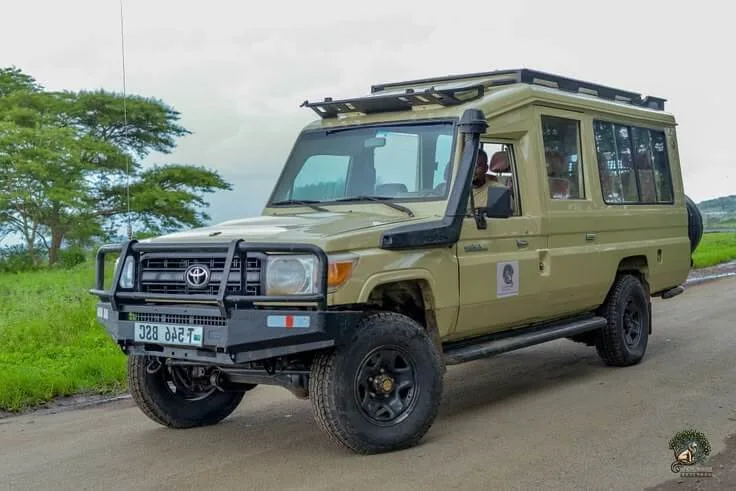
Choose the Right 4×4 Vehicle
Your vehicle plays an important role in a self drive safari.
Uganda has both paved highways and rough rural roads. National park tracks can also become muddy or uneven.
Therefore, choose a vehicle that matches your route.
Common options include:
- Toyota RAV4
- Toyota Prado
- Toyota Land Cruiser
- Safari 4×4 vehicles
- Camping-equipped 4×4 vehicles
A smaller 4×4 can work well for couples or smaller groups.
Larger vehicles can provide more space for passengers, luggage and camping equipment.
Before booking, tell the rental company where you plan to travel.
Plan Your Route
A good route makes your trip easier.
Start by listing the destinations you want to visit.
You could combine several destinations in one journey.
For example:
Kampala → Lake Mburo → Bwindi → Queen Elizabeth → Kibale → Kampala
Another route could include:
Kampala → Murchison Falls → Fort Portal → Queen Elizabeth → Kampala
Your route will depend on the time available and the experiences you want.
Avoid planning too many destinations in a short period.
Long driving days can become tiring.
Popular Destinations for Self Drive
Uganda has several destinations that work well for road trips.
Lake Mburo National Park
Lake Mburo is relatively close to Kampala.
Therefore, it can be a convenient first stop on a western Uganda road trip.
The park offers wildlife, birdwatching and scenic landscapes.
Queen Elizabeth National Park
Queen Elizabeth National Park offers savannah, lakes and diverse wildlife.
You can combine it with Kibale or Bwindi when planning a longer western Uganda itinerary.
Bwindi Impenetrable National Park
Bwindi is famous for mountain gorilla trekking.
The journey also takes you through scenic highland areas.
Because some roads can be steep and uneven, choose a suitable vehicle.
Kibale National Park
Kibale is well known for chimpanzee tracking.
It also provides a useful stop between western Uganda’s major destinations.
Murchison Falls National Park
Murchison Falls offers wildlife, savannah landscapes and the famous Nile River.
The park covers a large area, so plan your driving time carefully.
Kidepo Valley National Park
Kidepo offers a more remote safari experience.
However, the journey can take much longer than trips to parks closer to Kampala.
Therefore, allow enough time for the journey and plan your fuel stops.
Driving Conditions in Uganda
Road conditions vary across the country.
Major highways are generally easier to navigate. However, rural roads can have potholes, gravel and uneven sections.
Inside national parks, you may encounter dirt tracks and muddy sections.
Weather can also affect road conditions.
During heavy rain, some roads may become more difficult to use.
Therefore, check conditions before starting a long journey.
Driving on the Left
Uganda drives on the left side of the road.
If you come from a country that drives on the right, take time to adjust.
Pay particular attention at junctions, roundabouts and when turning.
Before starting your safari, become familiar with the rental vehicle.
Check the mirrors, controls and indicators.
Avoid Driving at Night
Plan your journeys so that you reach your destination during daylight.
Night driving can be more challenging, especially on unfamiliar rural roads.
You may encounter pedestrians, motorcycles, animals and vehicles without clear visibility.
Therefore, start long journeys early and allow enough time for delays.
Plan Your Fuel Stops
Fuel planning is important on a self drive safari.
Some rural routes have long distances between fuel stations.
Before leaving a major town, check your fuel level.
If you have a convenient opportunity to refuel, consider using it.
This becomes especially important when travelling to remote destinations.
Carry Offline Maps
Mobile navigation can make your journey easier.
However, network coverage may vary in remote areas.
Therefore, download offline maps before leaving major towns.
Also, save important locations such as:
- Accommodation
- Fuel stations
- Park gates
- Hospitals
- Major towns
- Rental company contacts
This gives you a backup if your internet connection becomes unavailable.
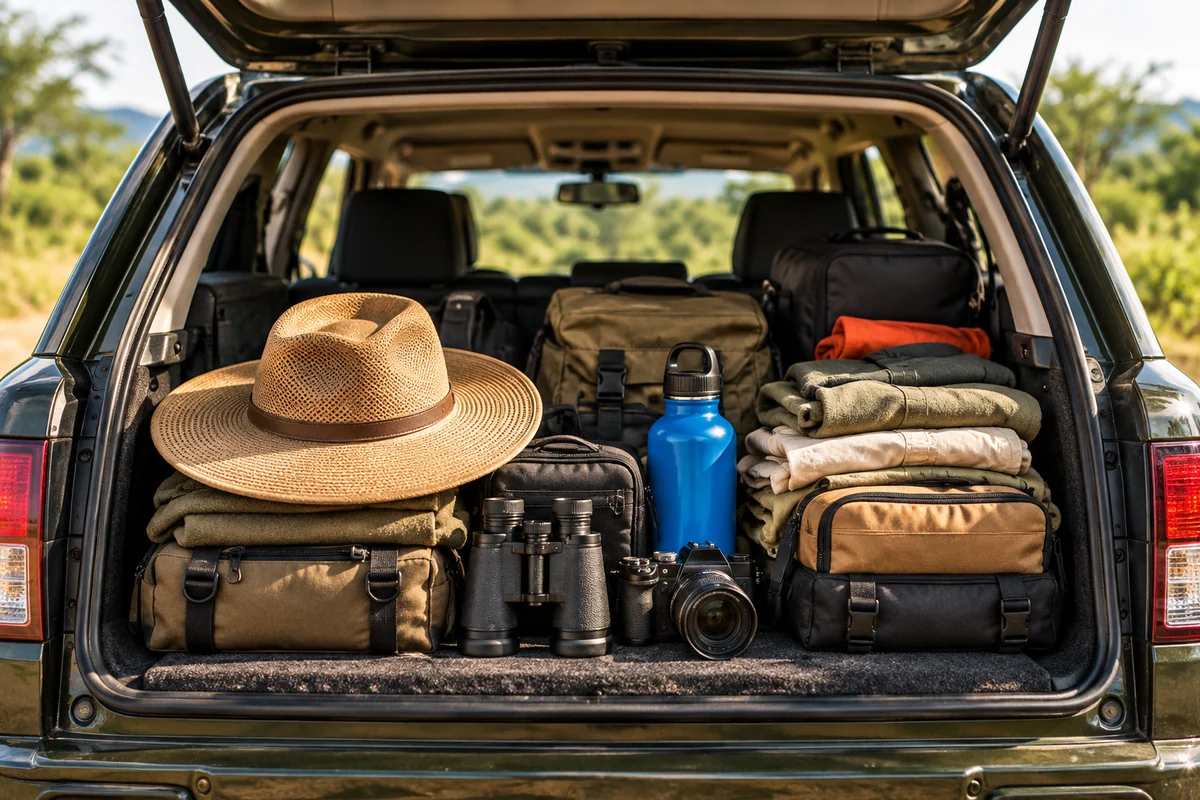
What Should You Carry?
Pack according to your route and travel style.
Useful items include:
- Driving documents
- Identification
- Phone and charger
- Power bank
- Offline maps
- Water
- Snacks
- First-aid supplies
- Flashlight
- Warm clothing
- Rain jacket
- Camera
- Binoculars
If you plan to camp, you will need additional camping equipment.
Ask your rental company what equipment they provide before packing.
Check Your Rental Vehicle
Before leaving with the vehicle, inspect it carefully.
Check:
- Tyres
- Spare tyre
- Brakes
- Lights
- Mirrors
- Windscreen
- Seat belts
- Fuel level
- Jack and tools
Also, photograph existing scratches or dents.
This gives you a clear record of the vehicle’s condition before the journey.
Understand Your Rental Agreement
Read the rental agreement before starting your trip.
Check the rules for:
- Insurance
- Mileage
- Fuel
- Deposits
- Accidents
- Breakdowns
- Roadside assistance
- National park travel
- Cross-border travel
- Additional drivers
If something is unclear, ask before signing.
A clear agreement can help you avoid unexpected charges.
Self Drive and Gorilla Trekking
You can combine a self drive safari with gorilla trekking in Uganda.
Many travellers drive to southwestern Uganda and stay near Bwindi or Mgahinga.
However, do not schedule your trekking activity immediately after a very long drive.
Instead, arrive early and allow time to rest.
This makes the trekking day easier and gives you more flexibility if road conditions cause delays.
Self Drive With Camping
Camping can make a self drive safari even more flexible.
Some rental companies provide camping-equipped 4×4 vehicles.
Depending on the package, equipment may include:
- Rooftop tent
- Sleeping equipment
- Cooking equipment
- Chairs
- Tables
- Kitchen equipment
Always confirm exactly what comes with the vehicle.
Also, check where camping is permitted before setting up.
How Long Should a Self Drive Safari Take?
The ideal duration depends on your itinerary.
A short trip can focus on one or two destinations.
A longer trip allows you to explore several regions without rushing.
For example, a week could focus on western Uganda.
Two weeks can give you more time to combine several national parks and activities.
If you have more time, you can travel at a slower pace and spend longer at each destination.
Budgeting for a Self Drive Safari
Your rental vehicle is only one part of the total cost.
You should also budget for:
- Fuel
- Accommodation
- Park entry fees
- Activities
- Food
- Camping
- Insurance
- Additional rental equipment
Therefore, calculate your complete trip budget before departure.
A cheaper rental vehicle may not always be the most suitable choice.
Choose a vehicle that matches your route and travel requirements.
Self Drive or Hire a Driver?
Both options have advantages.
Self drive gives you independence and flexibility.
A hired driver can reduce the pressure of navigation and long-distance driving.
A local driver may also have useful knowledge of routes and destinations.
Your choice depends on your driving experience, itinerary and personal preference.
Tips for a Successful Uganda Self Drive Safari
Follow these simple tips:
- Choose a suitable 4×4.
- Plan your route before departure.
- Check road conditions.
- Avoid unnecessary night driving.
- Carry enough water.
- Plan fuel stops.
- Download offline maps.
- Inspect the vehicle before departure.
- Understand your insurance.
- Keep the rental company’s contact details.
- Allow extra time for long journeys.
- Follow national park rules.
Most importantly, take your time.
A safari should not feel like a race between destinations.
Final Thoughts
A Uganda self drive safari gives you the freedom to experience the country in your own way.
You can explore national parks, scenic roads, forests, lakes and local communities at your own pace.
However, preparation makes the experience easier.
Choose the right 4×4, plan your route and understand the roads before you leave.
Also, allow enough time for each journey and avoid rushing between destinations.
With a reliable vehicle and a well-planned itinerary, you can enjoy a memorable self drive Uganda adventure.